Tanzania
Our home country: the northern parks, Kilimanjaro and the Zanzibar coast, planned from our base outside Arusha.

Where our journeys go: what each place is like, when it is at its best, and how long to give it.
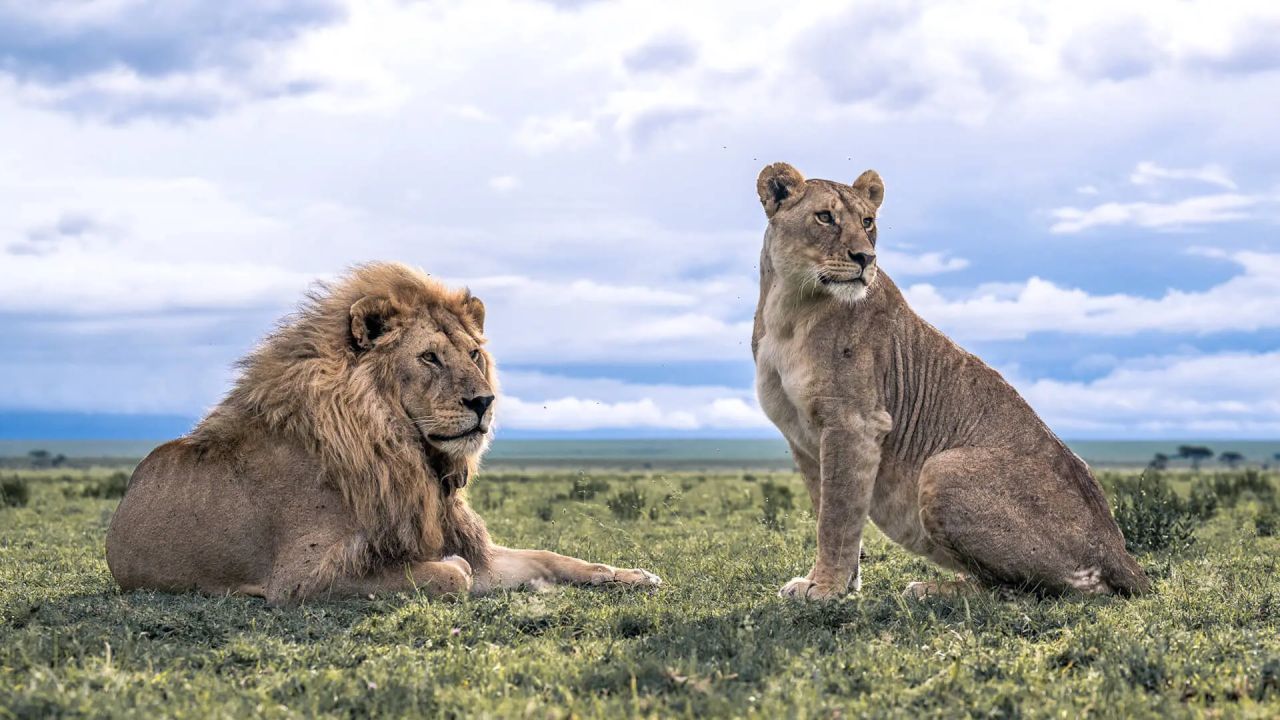
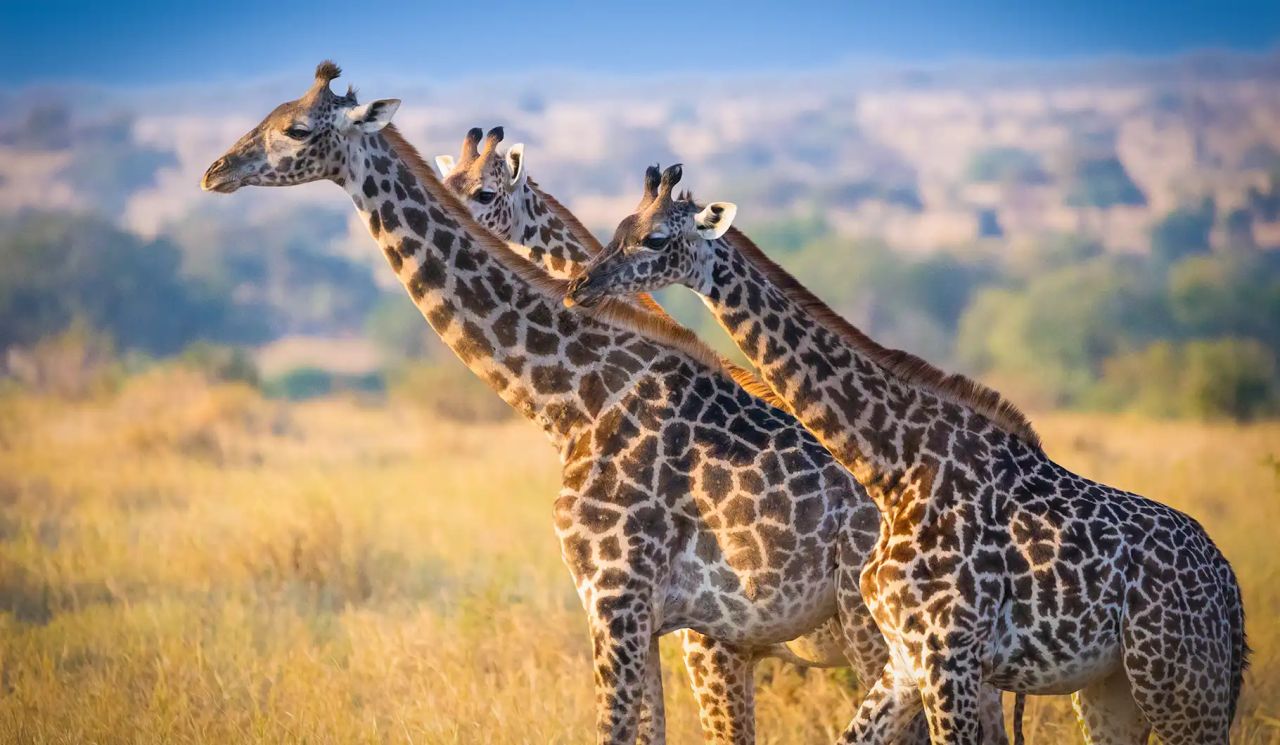
Our safaris follow the northern circuit of Tanzania: from Arusha to Tarangire and Lake Manyara, up to the Ngorongoro Crater and out onto the Serengeti. Kilimanjaro adds a mountain, Zanzibar a coast, and our fifteen-day route starts in Kenya.
Each place has its own page: what it is like, when to go, how long to give it and the journeys that spend time there.
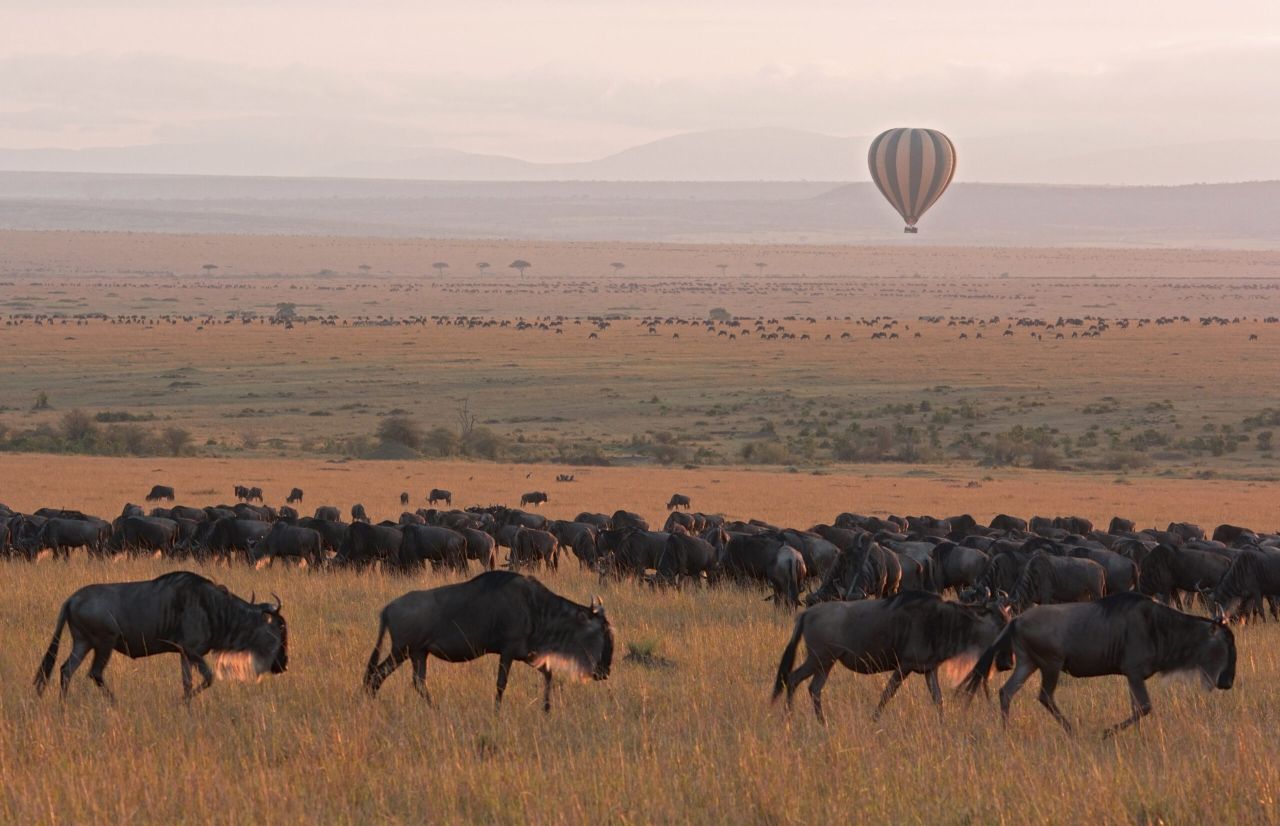
Open grass plains, granite kopjes and the year-round movement of the wildebeest herds, from the Seronera River to the Mara.
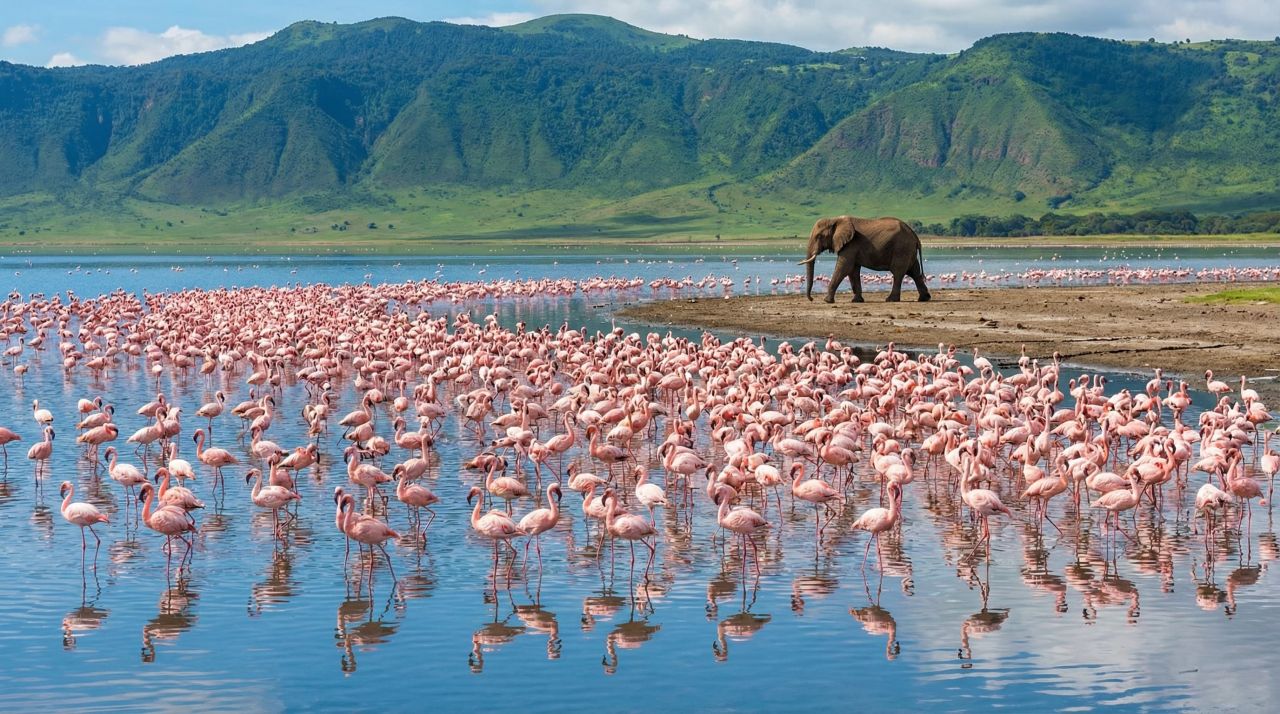
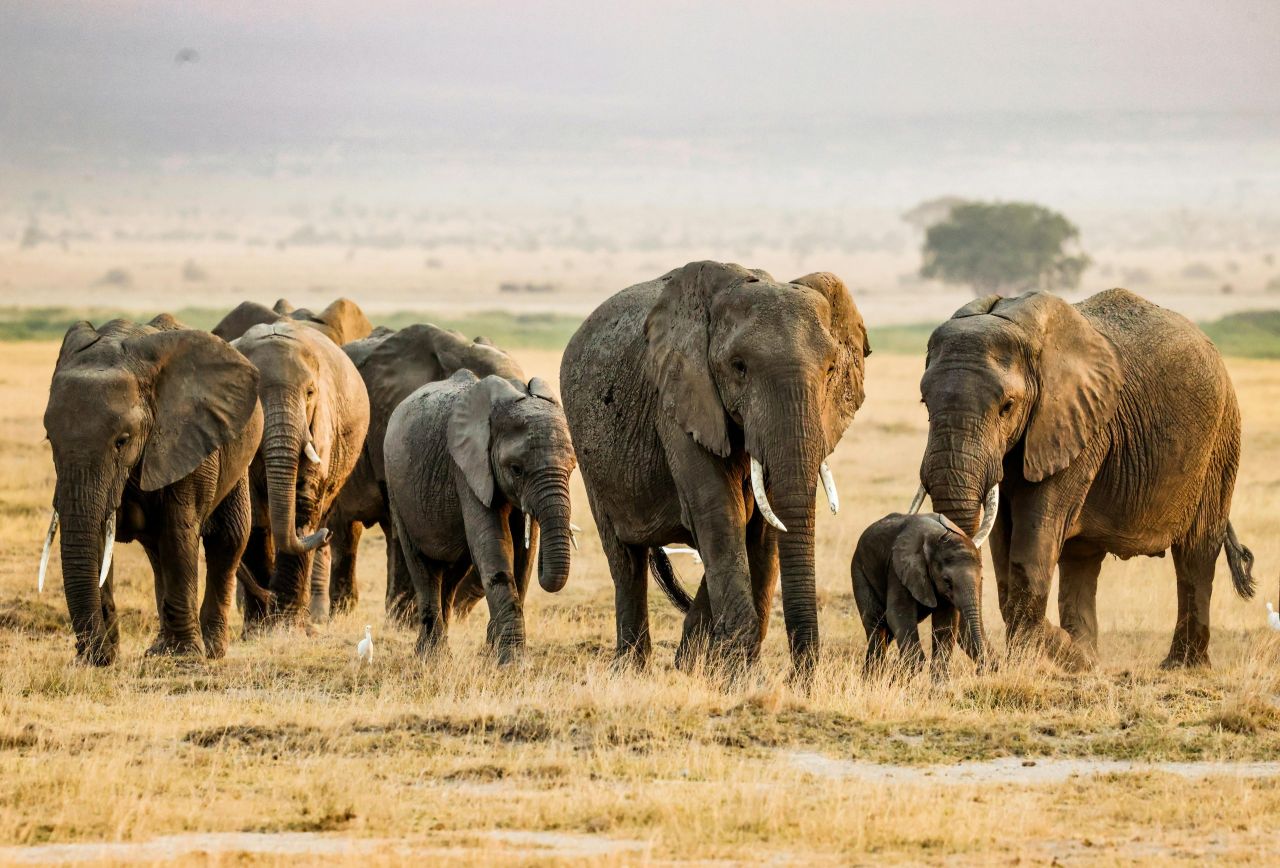
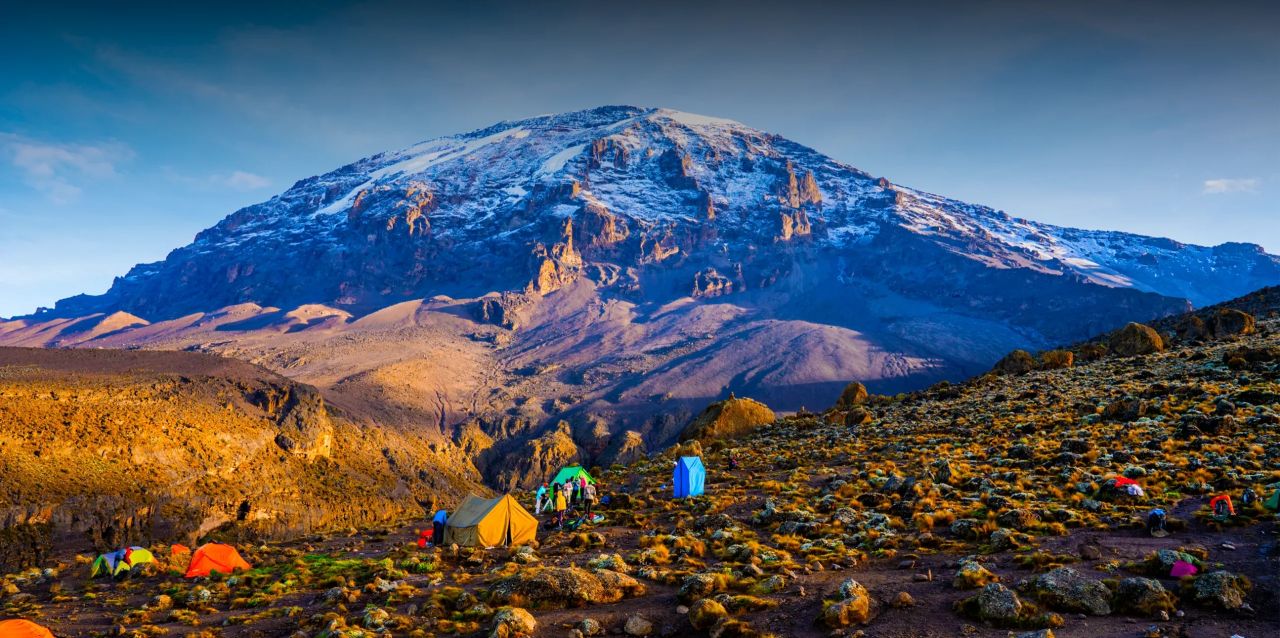
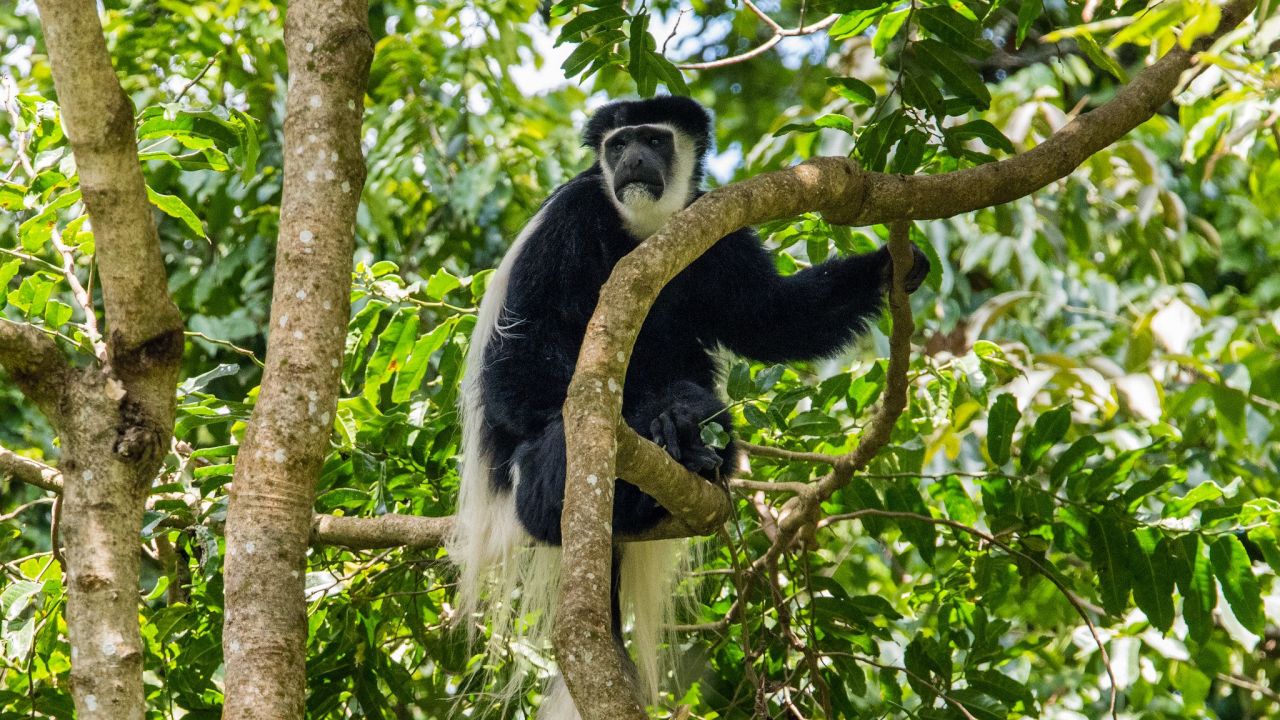
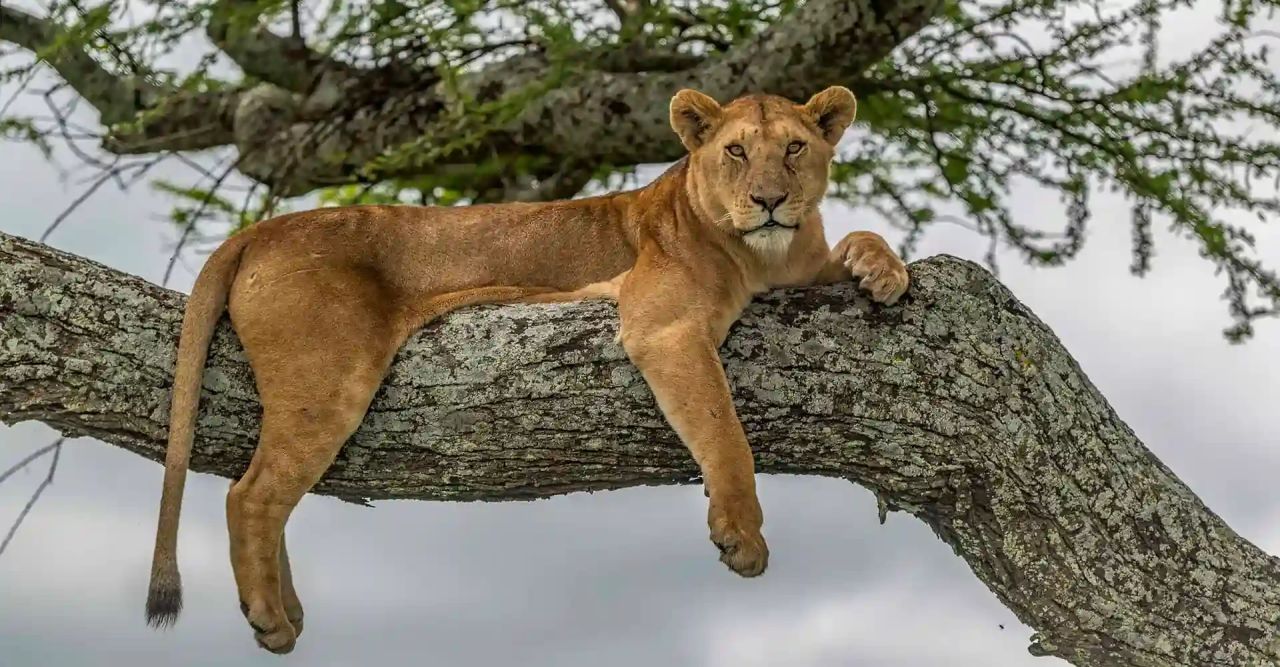
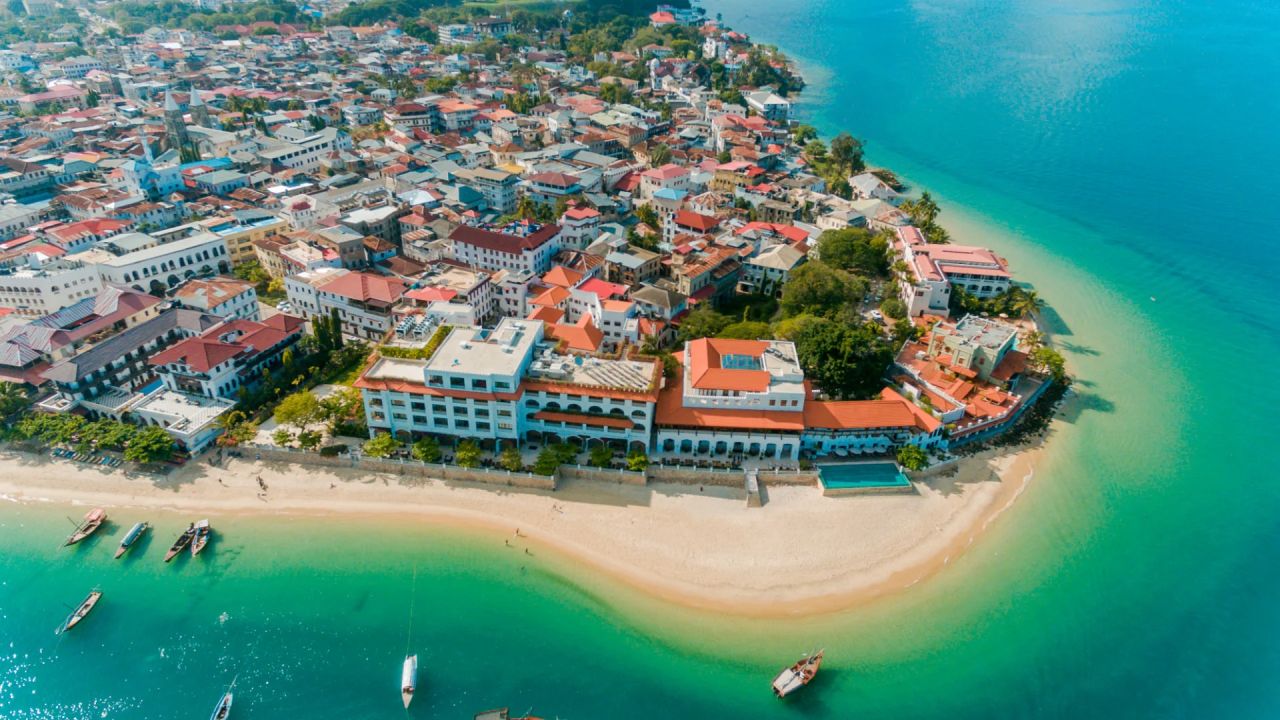
We will suggest the order, the pace and where to stay.
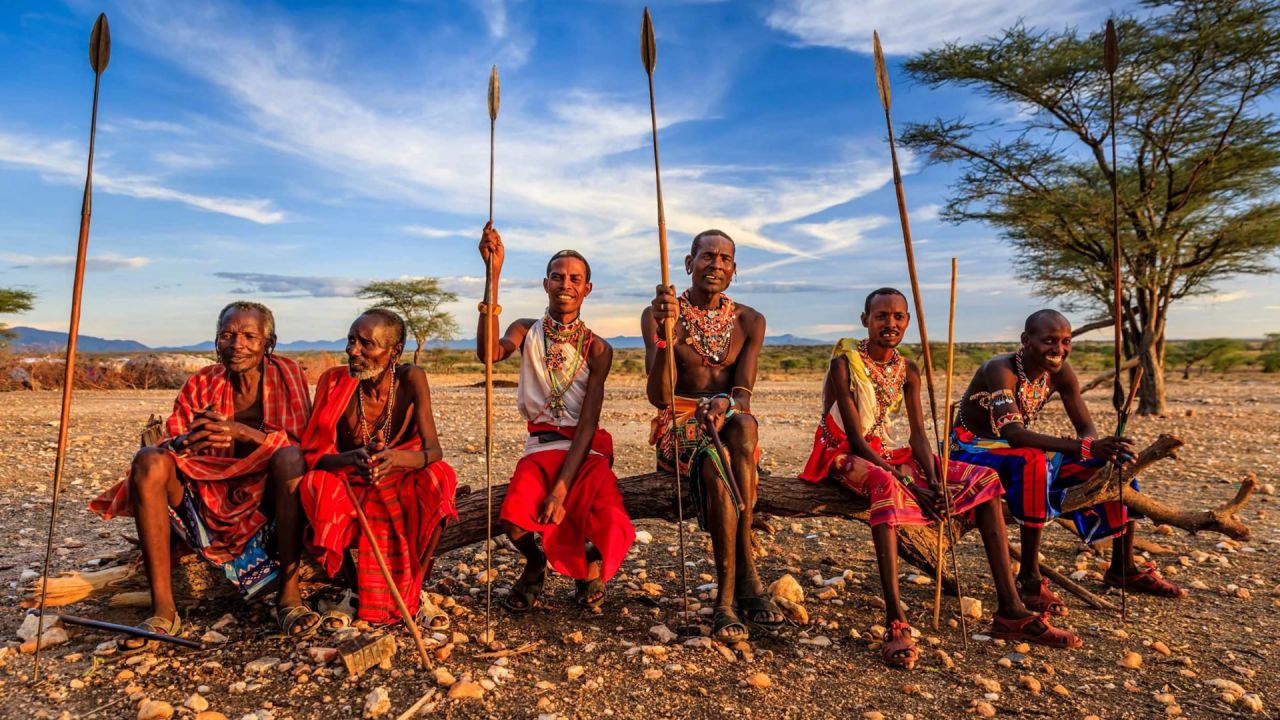
Dry country in northern Kenya, where the Ewaso Ng'iro River draws wildlife: Grevy's zebra, reticulated giraffe, Somali ostrich and gerenuk.
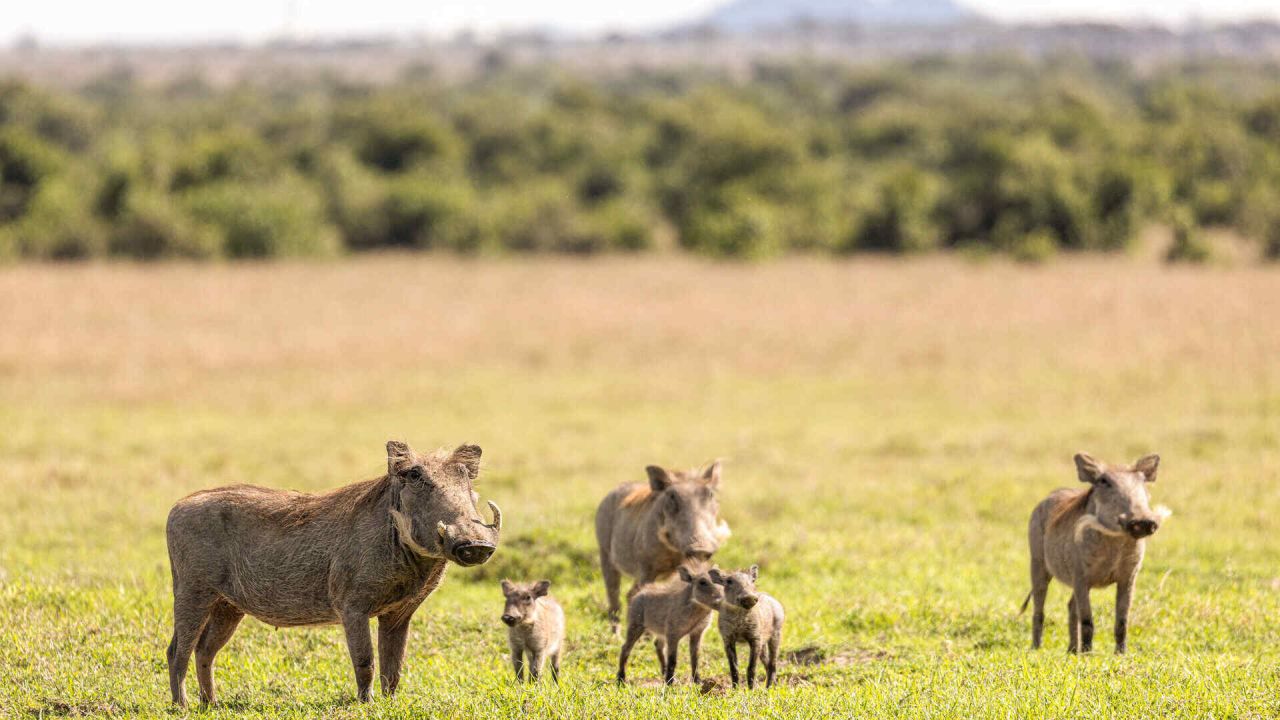
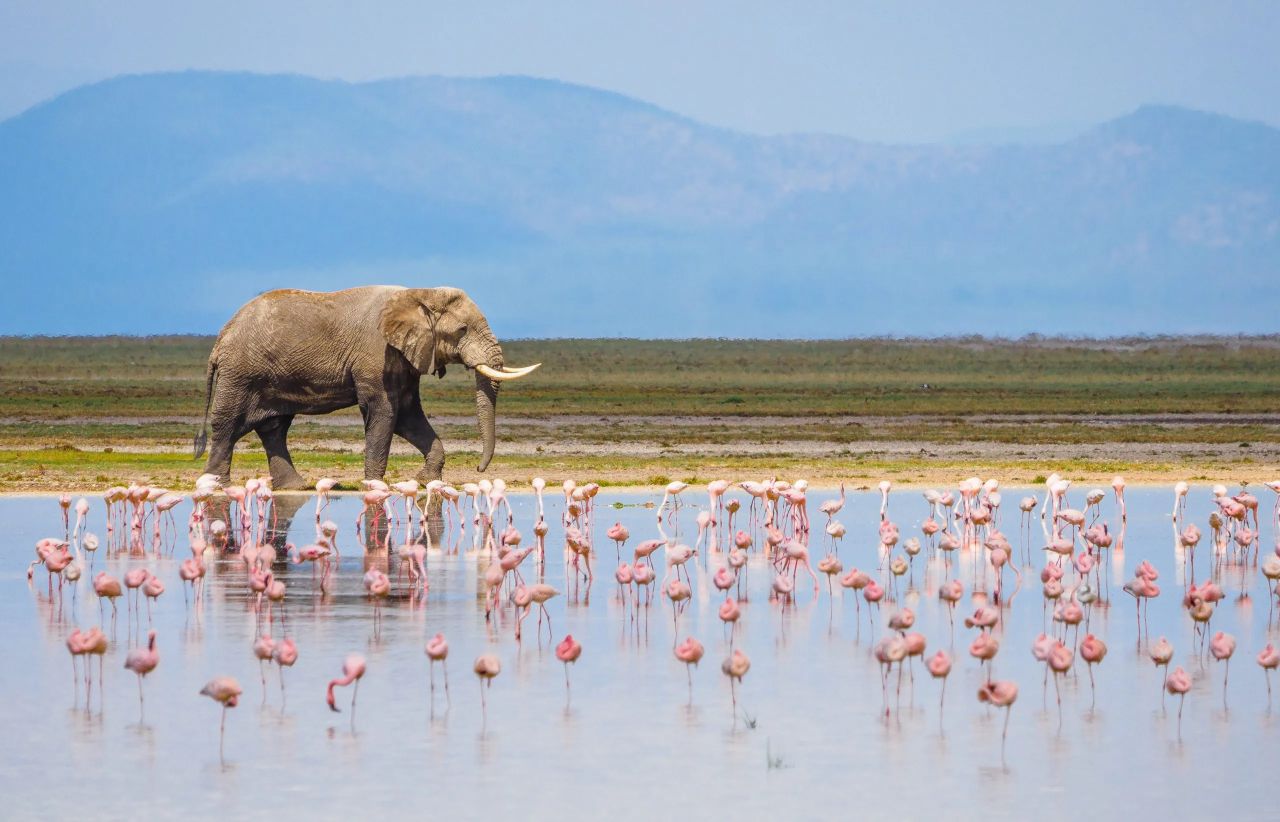
The seasons we plan around at each place. Wildlife follows the rain, so the exact timing shifts a little from year to year.
| Place and season | J | F | M | A | M | J | J | A | S | O | N | D |
|---|---|---|---|---|---|---|---|---|---|---|---|---|
| Serengeti National Park Serengeti National Park: Calving season | January: Calving season | February: Calving season | March: Calving season | |||||||||
| Serengeti National Park: The rut | April: The rut | May: The rut | June: The rut | |||||||||
| Serengeti National Park: Mara River crossings | July: Mara River crossings | August: Mara River crossings | September: Mara River crossings | October: Mara River crossings | ||||||||
| Ngorongoro Crater Ngorongoro Crater: Rainy season | January: Rainy season | February: Rainy season | March: Rainy season | April: Rainy season | May: Rainy season | November: Rainy season | December: Rainy season | |||||
| Tarangire National Park Tarangire National Park: Dry season | July: Dry season | August: Dry season | September: Dry season | October: Dry season | ||||||||
| Arusha National Park Arusha National Park: Migrant birds | January: Migrant birds | February: Migrant birds | March: Migrant birds | April: Migrant birds | October: Migrant birds | November: Migrant birds | December: Migrant birds | |||||
| Mount Kilimanjaro Mount Kilimanjaro: Dry season (early year) | January: Dry season (early year) | February: Dry season (early year) | March: Dry season (early year) | |||||||||
| Mount Kilimanjaro: Dry season (mid-year) | June: Dry season (mid-year) | July: Dry season (mid-year) | August: Dry season (mid-year) | September: Dry season (mid-year) | October: Dry season (mid-year) |
Most travellers on a Tanzania safari want to know about group size, children, vehicles, meals, luggage, money and tipping. Our safaris are private unless you choose a shared group, there is no age limit, and you travel in a Land Cruiser with a pop-up roof and a window seat each.
Pack light, neutral clothes in a soft bag of no more than 15 kg, a warm layer for cool evenings, a headlamp and binoculars. Leave plastic bags at home, because Tanzania bans them. Bring US dollars, euros or pounds in cash, your passport, insurance details and any vaccination certificates.
It depends on what you want to see. The herds calve on the southern Serengeti plains from January to March and cross the Mara River in the north from July to October, when Tarangire also fills with animals along its river. The Ngorongoro Crater holds wildlife all year. Kilimanjaro is best climbed from January to early March or from June to October.
Tell us when you would like to travel and what matters to you. We will suggest which places to combine, how long to give each and where to stay.